


How to tell if a jewelry piece was designed for real life or just for aesthetic
by Praijing Jewelry on May 20, 2026

Beautiful is not always the same as wearable
Some jewelry looks incredible in a photo.
It catches the light perfectly. It completes the styling. It feels elevated, artistic, and instantly appealing. But then real life starts. You put it on for a few hours and suddenly the experience changes.
It is too heavy.
It twists too much.
It catches on fabric.
It needs constant adjusting.
It looks great in the mirror, but feels inconvenient the moment your day becomes normal.
That is the difference between jewelry designed for aesthetic and jewelry designed for real life.
Both can be beautiful. But only one is built to move with you beyond the photo.
In this post, we’ll look at how to tell whether a jewelry piece was truly designed for everyday life or whether it mainly exists to look good in a styled moment.
Aesthetic-first jewelry is made to be seen
There is nothing wrong with jewelry that is mainly visual. Some pieces are created to make an impact, complete a look, or create a striking moment.
Aesthetic-first jewelry often focuses on:
-
visual drama
-
trend appeal
-
bold proportions
-
unusual shapes
-
immediate impact in photos
-
styling effect over long-term wear
These pieces can be exciting. They work beautifully for events, shoots, special outfits, or when the goal is expression first.
But they are not always made for:
-
comfort over many hours
-
repeated wear
-
easy movement
-
practical routines
-
daily maintenance reality
That does not make them bad. It just means they serve a different purpose.
Real-life jewelry is made to be lived in
Jewelry designed for real life is different. It is not only thinking about how the piece looks. It is also thinking about how it behaves.
Real-life jewelry usually considers:
-
how it feels after hours of wear
-
how it sits on the body
-
how easily it can be put on
-
how it handles movement
-
how much maintenance it asks for
-
whether it makes sense with normal clothes and normal routines
In other words, it is designed not just for admiration, but for repetition.
The best real-life jewelry is often the piece you keep choosing because it quietly works. It does not interrupt your day. It supports it.
The first clue is comfort
One of the fastest ways to tell if a piece was designed for real life is simple:
Is comfort part of the design, or just an afterthought?
Jewelry made for real life usually feels:
-
balanced on the body
-
smooth against the skin
-
stable enough not to constantly shift
-
easy enough to forget in the best way
Jewelry made mainly for aesthetic may:
-
feel heavy after a short time
-
sit awkwardly
-
poke, catch, or twist
-
look beautiful, but ask for constant awareness
If a piece only works when you are standing still, posing, or dressing around it carefully, that is usually a sign that wearability was not the main priority.
Materials reveal a lot
Material is one of the clearest clues.
A piece designed for real life usually uses materials that make sense for repeated wear. That may include:
-
stainless steel for durability and lower maintenance
-
practical closures
-
well-finished natural stones
-
surfaces that can handle real contact with skin, fabric, and movement
A piece designed mostly for aesthetic may rely more heavily on:
-
delicate plating that needs very gentle treatment
-
bulky decorative hardware
-
materials that look beautiful in photos but wear less easily in daily life
-
finishes that require the user to be constantly careful
This is why understanding jewelry materials matters. The design may look similar at first glance, but the material often tells you what kind of relationship the piece expects from you.
Real-life jewelry usually solves problems quietly
Good everyday jewelry is often smart in subtle ways.
It may solve problems you do not even notice until they are missing:
-
it sits well on the wrist
-
it does not flip too often
-
it does not scratch easily in normal use
-
it is easy to style with repeat outfits
-
it feels light enough for long wear
-
it works across more than one kind of day
This is the kind of design intelligence that rarely screams in a product photo. But it makes all the difference later.
Aesthetic-first jewelry often prioritizes the visible moment. Real-life jewelry also prioritizes the invisible experience.
Look at the closure and construction
A beautiful front view does not tell the whole story.
To understand whether a piece was made for real life, pay attention to:
-
clasp size
-
slider function
-
link construction
-
bead spacing
-
cord quality
-
how metal parts meet skin
-
whether the back looks as considered as the front
This matters because real-life jewelry usually shows thought in the hidden parts too.
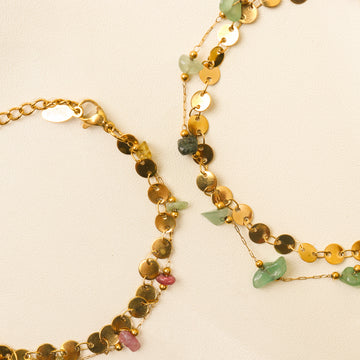
A piece designed mainly for aesthetic may look perfect from the angle that gets photographed most. A piece designed for actual wear usually feels coherent from every angle—including the practical ones.
Real-life jewelry respects movement
Jewelry does not exist in stillness. It exists on bodies that move.
That means a real-life piece has to work while you:
-
type
-
drive
-
walk
-
reach for things
-
carry bags
-
shift from morning to evening
-
wear it with different fabrics and sleeves
If a piece becomes awkward the moment movement begins, it may be more aesthetic than wearable.
This is especially obvious with bracelets. A bracelet designed for real life usually has better balance, smoother movement, and more thoughtful fit. It does not fight the wrist all day. It moves with it.
Styling flexibility is another clue
A piece designed for real life usually works with more than one version of your day.
It should still make sense with:
-
casual clothes
-
workwear
-
simple basics
-
lunch plans
-
travel days
-
evening outfits that are only slightly more polished
Aesthetic-first jewelry often needs the outfit to support it. Real-life jewelry supports the outfit.
That is a major difference.
If a piece only makes sense when the whole look is built around it, it may be beautiful—but it is probably not designed with everyday flexibility in mind.
Real-life design often looks quieter
This can be surprising, but jewelry made for real life often looks more understated at first.
Why? Because it is doing more than one job.
It is trying to be:
-
beautiful
-
comfortable
-
versatile
-
durable
-
easy to repeat
-
emotionally satisfying over time
That usually leads to pieces that feel:
-
balanced
-
refined
-
less trend-dependent
-
easier to live with
This is one reason many women end up wearing simpler pieces more often. The design may look quieter, but it performs better in real life.
And over time, that performance becomes part of what makes it beautiful.
The best pieces usually combine both
Of course, the strongest jewelry often does not choose one side completely.
The best pieces often combine:
-
enough aesthetic beauty to feel special
-
enough practical intelligence to feel wearable
That is the ideal balance.
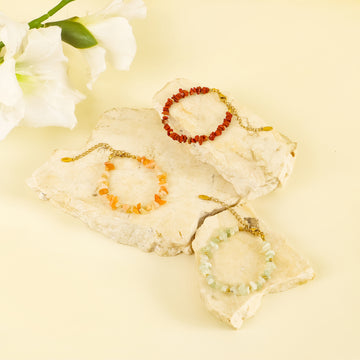
A bracelet with natural gemstones and stainless steel, for example, can offer:
-
visual softness
-
personal meaning
-
modern polish
-
practical daily-wear strength
That kind of piece is not only photogenic. It is livable.
And that is exactly why it often becomes the piece someone keeps reaching for long after the first impression fades.
Note: gemstone meanings are symbolic and inspirational, not medical claims.
Questions to ask before buying
If you want to tell whether a jewelry piece was designed for real life, ask:
-
Can I imagine wearing this on a normal day?
-
Does the material fit my routine?
-
Does the closure look practical?
-
Will this need constant adjusting?
-
Is it likely to feel comfortable for hours?
-
Does it work with multiple outfits I already own?
-
Does the product page explain wearability, or only focus on appearance?
-
Would I still want this if I never posted a photo of it?
Those questions usually reveal the answer very quickly.
Signs a piece was designed for real life
You are probably looking at real-life jewelry when:
-
the material is clearly explained
-
the fit or adjustability is practical
-
the finishing looks thoughtful, not just eye-catching
-
the piece seems comfortable enough for long wear
-
it works with more than one kind of outfit
-
it looks durable enough for repetition
-
it feels easy, not demanding
That kind of jewelry often becomes more valuable over time, because it keeps proving itself in real situations.
FAQ
Can aesthetic jewelry still be worth buying?
Yes. Some pieces are meant for expression, events, or special styling moments. The key is simply knowing what kind of piece you are buying.
What makes jewelry better for real life?
Usually comfort, durability, balanced design, practical materials, and the ability to work across normal routines and repeated wear.
Why do simpler pieces often get worn more?
Because they tend to be easier to style, more comfortable, less demanding, and more flexible in everyday life.
How can I tell from a product page?
Look for clear information about material, sizing, fit, closure, wearability, and multiple product angles—not just highly styled images.
Closing
A jewelry piece designed for aesthetic may win the photo.
A jewelry piece designed for real life usually wins your actual routine.
And in the end, that difference matters.
Because the pieces that stay with you are rarely the ones that only look beautiful once. They are the ones that keep making sense—on normal mornings, long days, simple outfits, and real moments that were never staged.
That is the kind of design worth noticing. And often, worth keeping.

