


Why women are becoming more intentional about the things they buy
by Praijing Jewelry on May 15, 2026

Buying is no longer just about having more
There was a time when buying something new often felt exciting simply because it was new.
Another item. Another trend. Another quick yes.
But for many women now, that excitement does not last the way it used to. The shopping decision feels different. Slower. More thoughtful. More selective.
That is because more women are not just asking, Do I like this?
They are asking:
-
Will I actually use this?
-
Does this fit my life?
-
Does this feel like me?
-
Will I still want this later?
-
Is this worth bringing into my space, my routine, and my attention?
This shift is changing the way women buy everything from clothing to home pieces to jewelry. And it reflects something deeper than taste. It reflects a new relationship with consumption itself.
In this post, we’ll look at why more women are becoming more intentional about the things they buy, and why that mindset is reshaping what feels valuable now.
More choice has not always made buying easier
Modern shopping offers endless options. More brands, more products, more recommendations, more trends, more targeted ads.
In theory, more choice should make it easier to find the perfect thing.
In reality, it often does the opposite.
Too many options can create:
-
decision fatigue
-
impulse buying
-
purchases that feel exciting for one moment, then irrelevant
-
homes and wardrobes full of things that do not really fit
-
a strange disconnect between what looked good online and what works in real life
After enough experiences like that, many women begin to change the question.
Instead of asking, What else could I get?
They start asking, What is actually worth choosing?
That question changes everything.
Intentional buying often comes from experience, not theory
For many women, intentional buying is not something they adopt because it sounds good. It comes after experience.
It comes after:
-
buying things that were trendy but never felt right
-
realizing quantity did not create satisfaction
-
feeling overwhelmed by clutter
-
noticing that the most-used items were often the simplest ones
-
understanding that the wrong purchase costs more than money—it costs space, attention, and emotional energy
This is why intentional buying often feels less like a style trend and more like maturity.
It is not about deprivation.
It is about clarity.
A woman who buys more intentionally usually is not trying to own less just for the sake of it. She is trying to live with more alignment.
Women are paying more attention to emotional value
A big part of intentional buying is this: people are thinking more carefully about how objects make them feel.
Not just in the moment of checkout. But later.
Questions like these matter more now:
-
Does this make my life easier or more complicated?
-
Does this feel calming or cluttering?
-
Do I genuinely enjoy using it?
-
Does it fit my rhythm?
-
Does it feel personal, or does it just look good in theory?
This is especially true for objects used often, like jewelry.
A bracelet, for example, is not only about appearance. It becomes part of:
-
your morning routine
-
your wardrobe
-
your sense of self
-
your emotional habits
-
your memories of certain periods in life
That is why small objects can carry a surprisingly large emotional weight. And that is also why women are becoming more careful about what they choose to keep close.
The goal is shifting from more to better
Many women are no longer trying to build lives filled with more things. They are trying to build lives filled with better things.
Not necessarily more expensive.
Better chosen.
That can mean:
-
fewer clothes, but ones that get worn often
-
fewer accessories, but ones that feel more personal
-
fewer impulse purchases, but more satisfaction
-
fewer trend pieces, but more items with staying power
This shift is important because it changes what counts as “worth it.”
An object becomes valuable not only because it is beautiful or popular, but because it:
-
fits daily life
-
gets used repeatedly
-
lasts emotionally, not just physically
-
feels aligned with the person buying it
That is a very different standard from trend-driven shopping. And for many women, it feels much more honest.
Personal identity matters more than trend pressure
Another reason women are buying more intentionally is because personal identity is becoming more important than outside pressure.
Instead of asking, Is this trending?
More women are asking:
-
Does this reflect me?
-
Would I still like this without the trend around it?
-
Does this suit the way I actually live?
-
Does this match my energy, taste, and values?
This is a powerful shift.
Because once buying becomes more connected to identity, it becomes harder to be influenced by things that only create short-term excitement. The purchase has to pass a deeper test.
That is one reason why timeless pieces, practical beauty, and meaningful design are becoming more appealing. They feel more connected to self than to performance.
Real life is becoming the filter
Many women now evaluate purchases through the lens of real life.
Not a fantasy version of life.
Not a perfectly styled social media moment.
Not an imagined future self who suddenly becomes someone else.
Real life.
That means they are asking:
-
Will this work in my actual wardrobe?
-
Will I really wear this on normal days?
-
Can this handle my routine?
-
Is this low maintenance enough for my life?
-
Will this still feel right outside of the product photo?
This is especially relevant in categories like jewelry.
A piece may be beautiful, but if it is too fragile, too fussy, too hard to style, or too disconnected from daily life, it may not feel worth buying anymore.
Intentional buying respects reality. And reality usually leads people toward things that are both beautiful and usable.
Meaning is becoming part of value
One of the most interesting changes in consumer behavior is that meaning is becoming part of what people define as quality.
For many women, a good purchase now often has more than one layer. It is not only functional or attractive. It also feels meaningful.
That meaning can come from:
-
symbolism
-
craftsmanship
-
story
-
memory
-
emotional resonance
-
a sense of connection to the piece
This is why meaningful objects often feel more worth keeping.
A simple bracelet with personal significance can feel more valuable than something louder but emotionally empty. Not because it is bigger or more expensive, but because it creates a stronger relationship with the person wearing it.
Note: gemstone meanings are symbolic and inspirational, not medical claims.
Intentional buying is also about protecting attention
One thing people rarely talk about is that every purchase asks for something after you buy it.
It may ask for:
-
storage
-
care
-
styling decisions
-
emotional attention
-
maintenance
-
mental space
When women buy more intentionally, they are often protecting themselves from unnecessary friction.
They are choosing things that:
-
fit more easily into daily life
-
create less noise
-
require less regret
-
bring more peace than pressure
In that sense, intentional buying is not only about taste. It is also about energy management.
And in busy lives, that matters a lot.
Why this mindset changes jewelry shopping too
This shift becomes very visible in the way women shop for jewelry.
Instead of choosing pieces only because they are eye-catching, many women now care more about whether a piece is:
-
wearable
-
durable
-
meaningful
-
versatile
-
comfortable
-
emotionally right
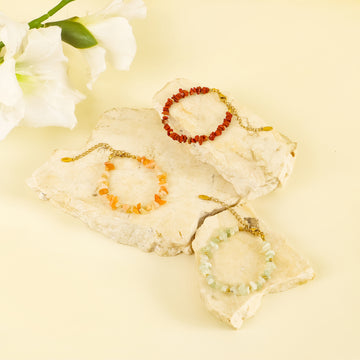
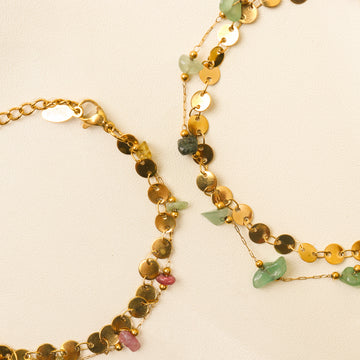
That is why pieces like minimal gemstone bracelets with stainless steel feel increasingly relevant.
They offer:
-
beauty without excess
-
meaning without heaviness
-
practicality for real life
-
enough personality to feel special
-
enough simplicity to be worn often
This is exactly the kind of object intentional shoppers are drawn to: something that earns its place through repeated use and lasting connection.
Intentional buying does not mean joyless buying
It is important to say this clearly: buying more intentionally does not mean buying without joy.
In fact, for many women, intentional buying brings more joy.
Why? Because the joy lasts longer.
Instead of the fast high of an impulsive purchase followed by indifference, intentional buying creates:
-
anticipation
-
confidence
-
satisfaction
-
emotional connection
-
repeat enjoyment
The object continues giving something after the purchase is over.
That is a much more sustainable kind of pleasure. And it is one reason many women do not want to go back to shopping in the old way.
Signs a woman is buying more intentionally
Often, this mindset looks like:
-
taking more time before purchasing
-
reading details more carefully
-
caring more about materials and quality
-
choosing fewer, more versatile pieces
-
asking whether something fits real life
-
being less influenced by fast trends
-
wanting emotional connection, not just visual appeal
-
preferring items she can imagine using often
This is not about perfection. It is about a stronger internal filter.
And that filter tends to lead to better choices over time.
FAQ
Does intentional buying mean buying less?
Often yes, but not always. The bigger point is buying with more clarity, care, and relevance rather than buying impulsively.
Why are women becoming more selective now?
Because many have experienced the downside of too many unnecessary purchases—clutter, regret, wasted money, and items that do not fit real life.
What makes an item feel worth buying now?
Usually a mix of beauty, usefulness, emotional connection, quality, and relevance to daily life.
Why does this matter for jewelry?
Because jewelry is often worn close and often. It becomes part of routine, identity, memory, and self-expression, so the choice tends to feel more personal.
Closing
More women are becoming intentional about the things they buy because they are no longer looking only for novelty. They are looking for alignment.
They want objects that fit their real lives.
Their real tastes.
Their real values.
Their real routines.
That is why fewer, better, more meaningful choices are becoming more attractive than endless newness.
Because in the end, the best purchases are often not the ones that impress you for a moment.
They are the ones that keep feeling right long after you bring them home.

